
Who we are
We are a national network for multicultural mental health Peers and Practitioners at the intersections, supported by what started as the Solis Think Tank.
Though the diversity in our experiences may set us apart, our shared commitment to diversity in mental health brings us together.
We started the way many important things do, with some honest conversations about what it takes to do this work well – and the limitations of doing it alone.
Our network began with people coming together to connect, share, and support one another. That spirit continues today, as we build our collective strength and expertise to help shape more inclusive and culturally responsive supports.
We nurture relationships and networks – because stronger connections build better systems for diverse communities.
We are:
- Over 130 practitioners, advocates, researchers and Lived Experience workforces from many multicultural backgrounds and intersections,
- Connected to grass roots and established social enterprises, not-for-profit, for-purpose and private organisations and movements,
- Represented across local, regional and national boards, committees and advisory groups,
- Active across state and federal systems, spanning public and private mental health sectors.
Our Purpose
Connected mental health systems make every intention and resource go further. aidMH exists to break the silos we cannot afford.
We serve as an aggregator for multicultural and intersectional mental health – linking resources, relationships, research and networks across disciplines, backgrounds and sectors.
At the heart of everything we do is a simple belief: when diverse communities and practitioners have agency and are self-determined, meaningful progress follows.
Our Vision
Our vision is a future where our work is no longer needed.
We see a mental health system that leads with cultural humility, works collaboratively across sectors, and focuses on the root causes of wellbeing even at the intersections.
In this future, communities at the intersections are genuinely centred, respected, and lead the design and delivery of supports, even in colonial spaces.
Our Mission
To bring a values-driven collective together which connects and champions multicultural mental health programs, organisations, individuals and communities at the intersections.
We strengthen connection, build capability, and support communities to reduce silos and lead real and sustainable change.
We do this through sharing:
Values & Guiding Principles
- We are people and communities at the intersections & multicultural identities: creating sanctuary and in solidarity with each other in mental health systems.
- We understand that diversity and intersectionality are defined by the people and communities they relate to.
- We recognise the active role of power, positionality and privilege in our work, and approach this with reflexivity, awareness and responsibility.
- We believe in breaking down silos (Solis – the opposite of silos) to strengthen our sector in a connected, measured and collaborative way.

About Us
Our approach to intersectional lived experience
Lived and living experience, and lived expertise, is not a checkbox. People facing mental health challenges or trying to access (or being excluded from) services as well as their carers, families and kin are core to ensuring what we design and build actually meets the needs of communities.
For us, this means naming that diverse communities are not homogenous; not all ‘CALD’, ‘multicultural’, ‘First Nations’ or ‘LGBTIQASB+’ etc people are the same. Within and across all of these groups exists a wide range of experiences, challenges and ways of navigating our oppressive systems.
It is not the identities or perspectives themselves that are complex, but where they interact with our systems and processes (Intertwine, 2026).
This raises the question – What do our systems need to do to shift and change to meet these genuine and holistic needs?
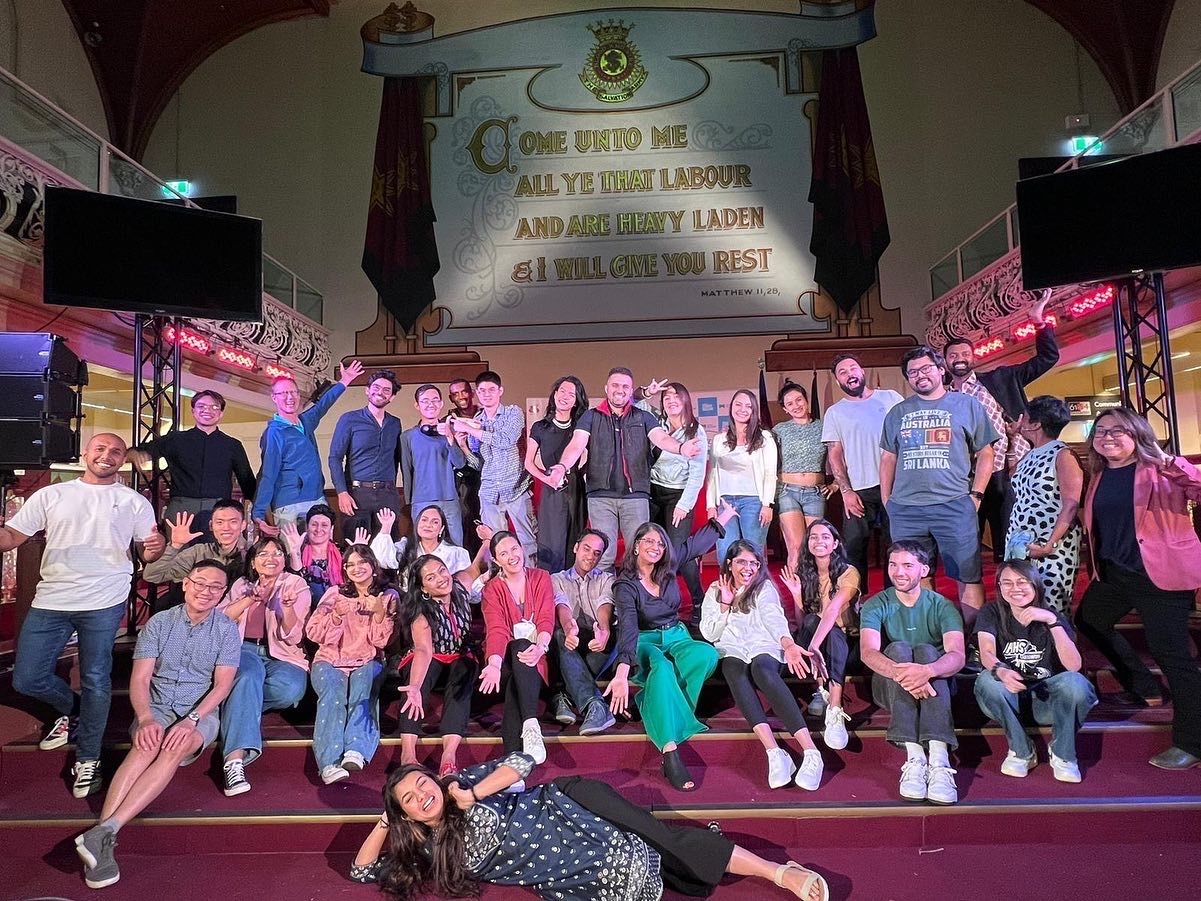
Our team at aidMH
Meet some of the community behind the scenes, working together to advance multicultural mental health at the intersections.
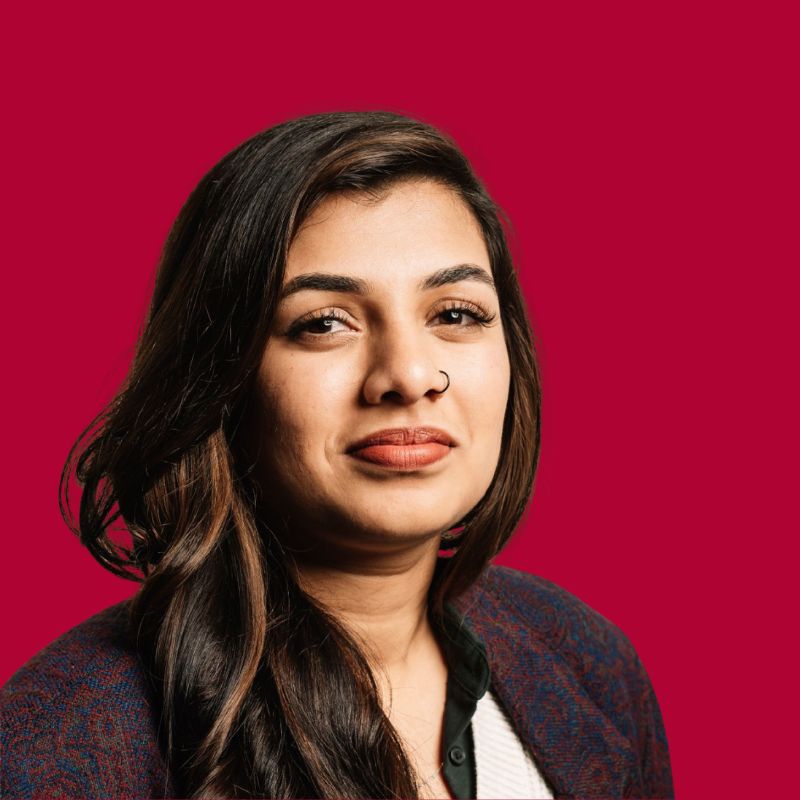
Niharika Hiremath OAM
Co-Chair & Managing Director (Lived Expertise)
Niharika Hiremath is a Kannada mental well-being and intersectionality lived experience leader and advocate living on Bunurong Country. She tries to bridge systemic gaps within peer and well-being sectors. She focuses on the mental wellbeing of communities at the intersections, by exploring culture, identity, and consumer perspectives. Her work sits across lived expertise, service delivery, leadership, and governance, with a strong emphasis on driving organisational and systemic change.
Niharika co-chairs aidMH’s Solis Network and coordinates the community of practice for the Victorian Department of Health’s Intersectional LE (SID-LLEW) grants program. Niharika has had input into the upcoming Victorian Lived and Living Experience Leadership Strategy, and chairs the Multicultural Affinity Group for Australia’s consumer peak body, the National Mental Health Consumer Alliance (NMHCA). She has also completed two terms with the National Mental Health Commission’s Independent Advisory Board, headspace’s National Board and has recently wrapped up with The Iceberg Foundation’s Board. As an IPS-Trainer, Lived Experience Partner and Intersectional Equity Lead at Mind Australia – she supports a diverse national peer workforce and contributes to systemic change on a range of different levels. Niharika champions narrative approaches, agency, and self-determination and advocates for cultural humility and a more just, equitable mental health system.
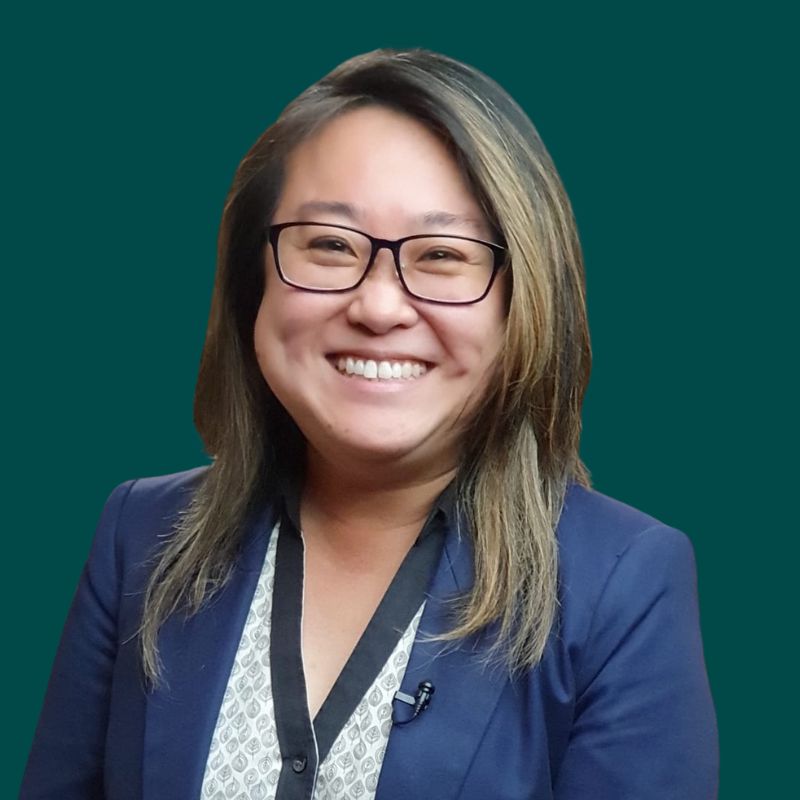
Dr Judy Tang OAM
Founding Director & Co-Chair
Dr Judy Tang is a current Board Director for the Victorian Pride Centre, and is one of Victoria’s 12 Multicultural Commissioners at the Victorian Multicultural Commission (VMC).
With over 15 years of career and academic expertise in Clinical Neuropsychology, Judy is a Director and Clinical Neuropsychologist with Invictus Health, which provides neuropsychological assessments and brain well-being services. Here, she is aligned with government services, community organisations, various law firms and insurance companies. She provides neuropsychological services for medico-legal and community settings, workshops and seminars both to her professional peers and wider community, as well as advocacy in the areas of mental health and community care. Among numerous organizations, she is a member of the Australian Association of Gerontology’s Victorian branch (AAG), a fellow of the Australian Psychological Society’s (APS) College of Clinical Neuropsychologists (CCN), and former National and State Convenor for the APS Psychology and Culture, and Psychology and Ageing Interest Groups, respectively.
She has previously worked with the Lincoln Centre for Research on Ageing, researching persons with dementia and their carers, as well as the ACAS evaluation unit. Her mastery of quantitative research has been utilised on the state and national level for its Aged Care Assessment Program. She has also worked as a Rehabilitation Consultant for CRS Australia.
She is also a Mental Health First Aid Instructor, and trained in mediation. In addition to speaking frequently at professional seminars and conferences around the world, Judy is also published in numerous journals on such topics as healthy ageing, anxiety and pain, culture, intersectionality, and dementia.
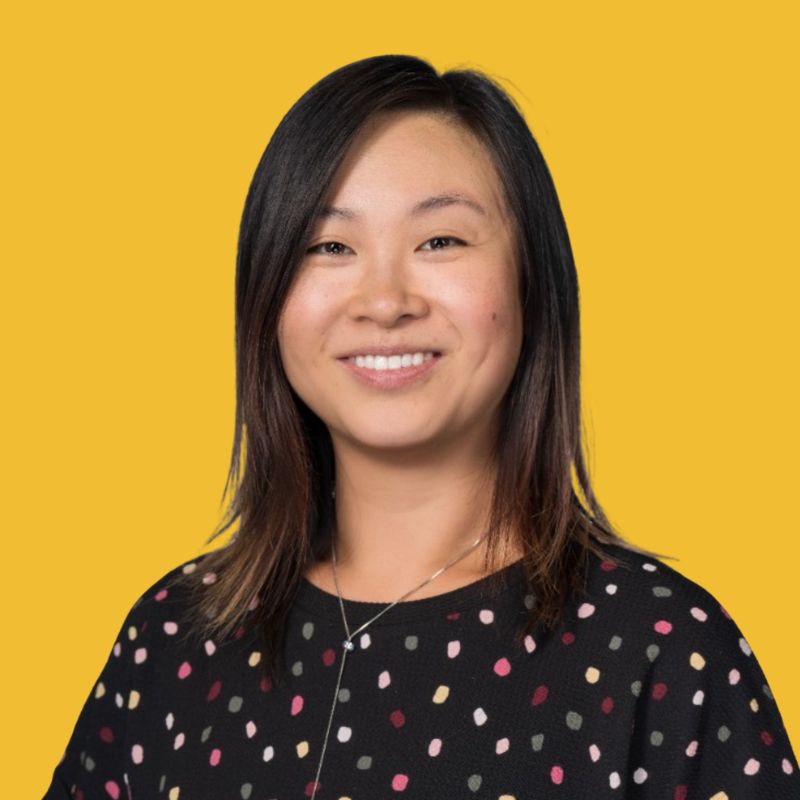
Karen Leong
Board Director & Secretary<br /> Corporate & Business Consultancy Portfolio
Karen Leong is known for delivering outcomes in a human‑centred way. She is a pragmatic leader who builds high‑performing, engaged teams aligned with business strategy, driving product excellence, growth, and customer connection through empathy and inclusion.
Karen has led projects that rapidly delivered market‑leading products, multi‑million‑dollar revenues, and strong brand loyalty. Drawing on expertise in User Experience (UX) and Diversity, Equity and Inclusion (DEI), she supports organisations across eCommerce, banking, telecommunications, retail, and government to become more creative, inclusive, and impactful.
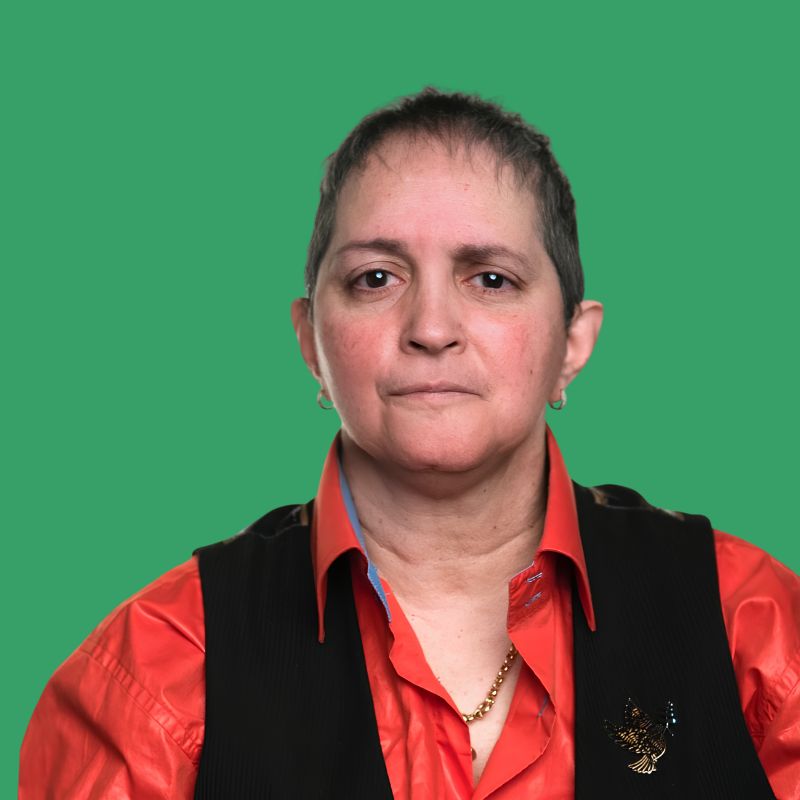
Margherita Coppolino GAICD
Board Director<br /> Disability, LGBTIQ+ & Intersectionality Consultancy Portfolio
Margherita Coppolino is a lesbian elder with disability from a CALD background, bringing over four decades of activism, advocacy, and professional experience. She is deeply respected for her intersectional leadership across disability, LGBTIQ+, multicultural, and women’s rights movements locally and internationally.
Margherita is Co‑Chairperson of ILGA Oceania, a board member of ILGA World, and a member of the Victorian Government LGBTIQ+ Taskforce. She is Deputy President of Drummond Street Services and a founding member of Inclusive Rainbow Voices, advancing visibility, policy reform, and systemic inclusion for LGBTIQA+ people with disability.
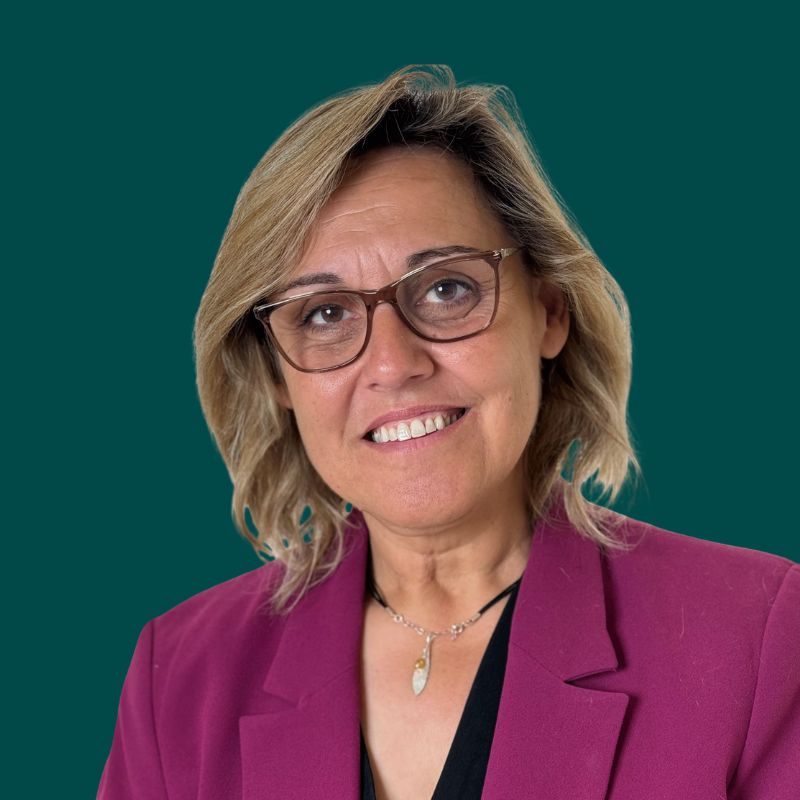
Maria Dimopoulos AM
Board Director<br /> Community & Government Consultancy Portfolio
Maria Dimopoulos AM is a distinguished human rights advocate and leader in diversity and gender equality, with a focus on migrant and refugee women’s inclusion in policy and system reform. Her work spans research, community education, and structural change across government and civil society.
Maria is currently the CEO of Settlement Council of Australia and has served on the federal Access and Equity Inquiry Panel, chaired the Harmony Alliance, and contributed to national violence prevention strategies, including the first National Plan to End Violence Against Women and their Children. She is widely published, co‑authored Blood on Whose Hands?, and holds board roles across justice, reconciliation, multicultural, and judicial institutions.
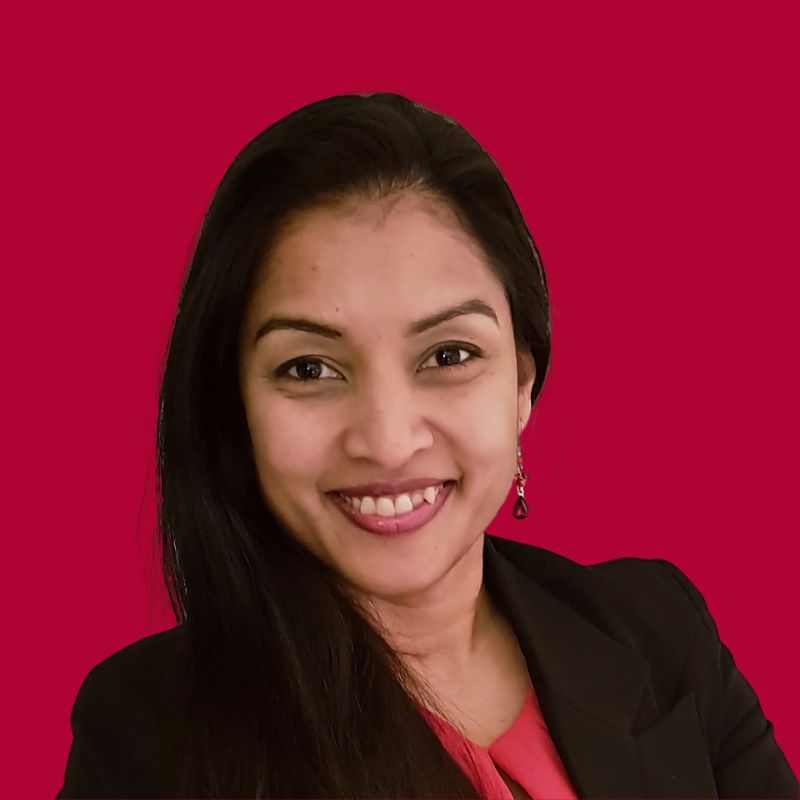
Marshie Perera Rajakumar
Member of aidMH Advisory Board & Solis Network
Marshie Perera Rajakumar is an engineer with over twenty years’ experience applying science and systems thinking to strengthen community wellbeing. She is a strong advocate for inclusion and diversity, working through an intersectional lens to foster more connected and sustainable communities.
Marshie served on the South Asian Communities Ministerial Advisory Council and was a Board Director of the Austral‑Asian Centre for Human Rights and Health, where she contributed to family violence prevention and mental health initiatives. She also founded a dance school, using creative expression as a powerful platform for advocacy and social change.
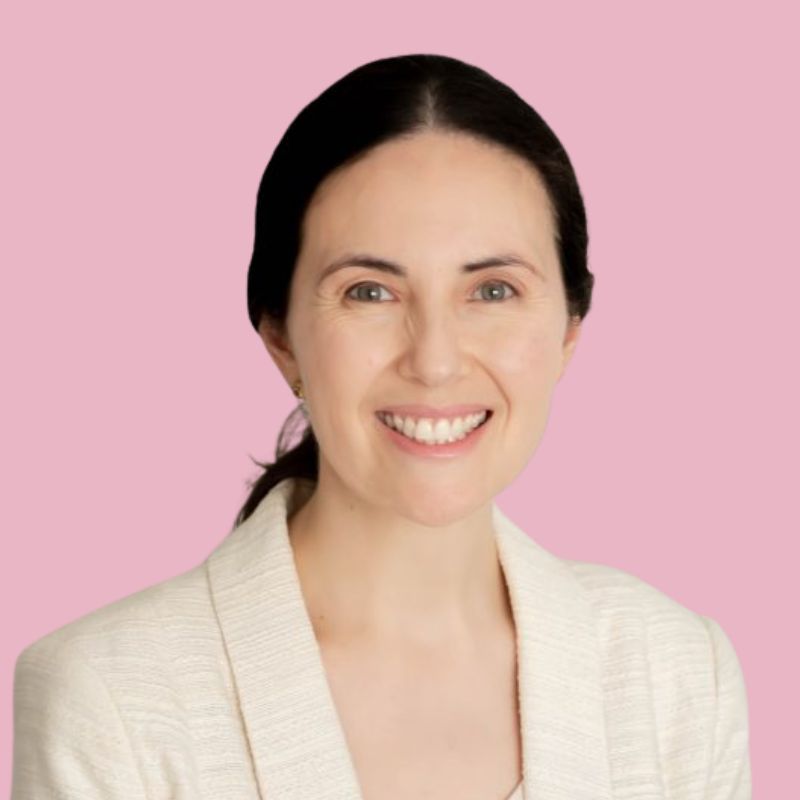
Narissa Doumani
Member, aidMH Advisory Board & Solis Network
Narissa Doumani is a Thai‑Lebanese Australian communications and engagement leader working across mental health, suicide prevention and homelessness services. She is a strong advocate for compassionate inclusivity, with a focus on the intersection of lived experience, culture and wellbeing.
Narissa leads strategic engagement approaches that build understanding, strengthen connection, and support more culturally responsive and strengths‑based approaches to mental health and wellbeing.
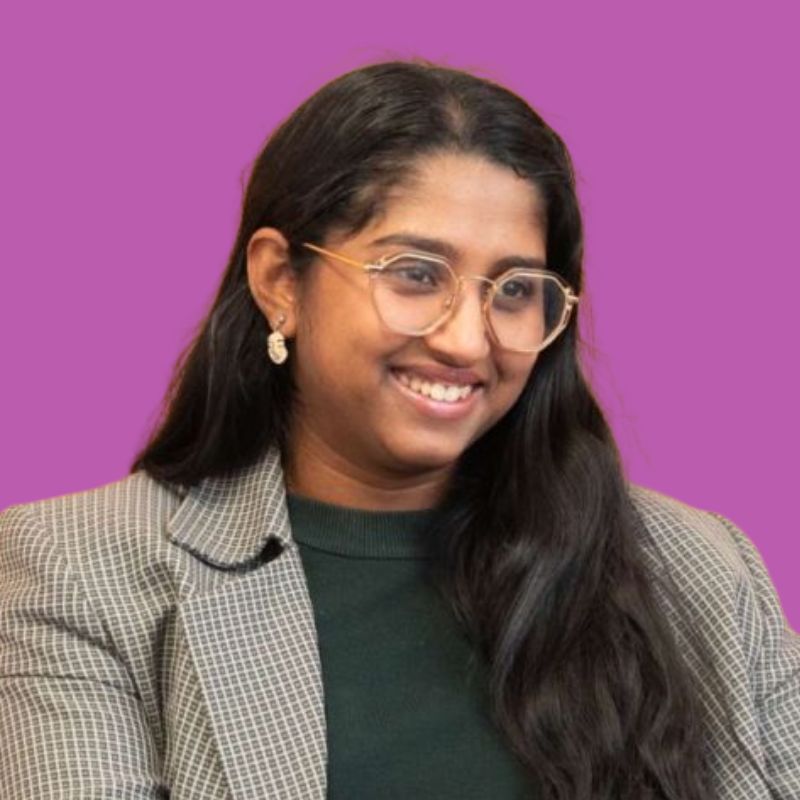
Dr Amanda Daluwatta
Member, aidMH Advisory Board & Solis Network
Amanda Daluwatta is a mental health clinician and researcher with over eight years’ experience across community and hospital settings. She is passionate about equity, advocacy, and developing culturally responsive interventions that translate directly into clinical practice.
Amanda leads the largest Australian study on Sri Lankan migrants’ mental health, literacy, and service engagement through her project Sri Lankan Australians: Let’s Talk about your Mental Health. She works collaboratively with multicultural communities to challenge stigma, dismantle myths, and strengthen culturally safe mental health care and systems.
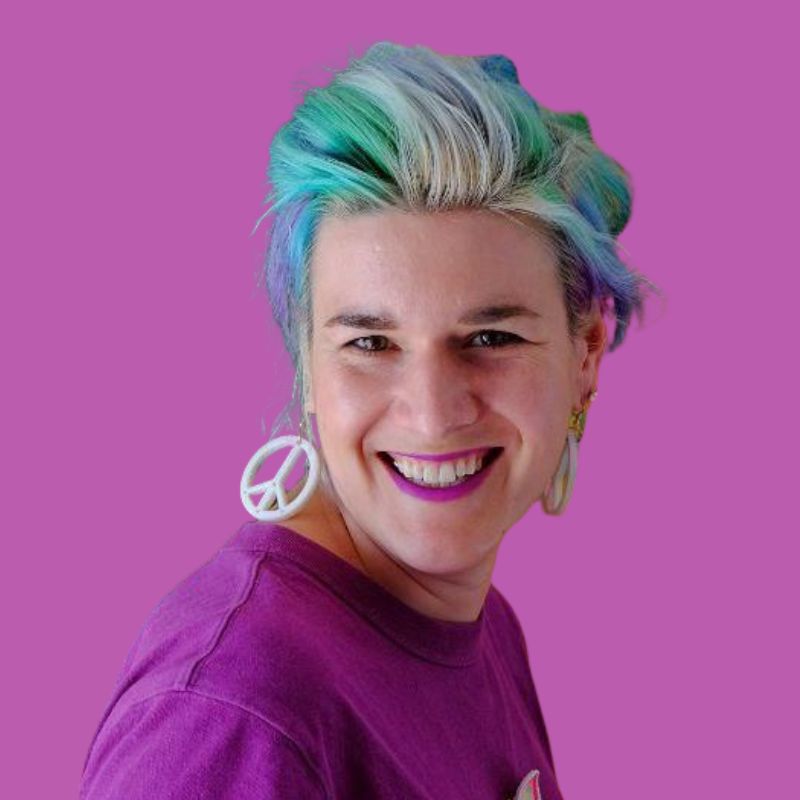
Jo Szczepańska
Contributor, Co‑Conspirator & Member of Solis Network| Service Design & Innovation
Jo Szczepańska is a designer, researcher, and co‑design advocate working with communities to translate research into meaningful plans, products, and services. A queer refugee, she brings deep commitment to participation, access, and lived‑experience‑led change.
Jo is Manager of Service Development and Innovation at Health Voices Victoria within Deakin’s Institute for Health Transformation. She has led award‑winning inclusive design projects recognised by INDEX, Good Design, and Premier’s Design Awards, holds a Master of Social Design, and lectures in co‑creation and evaluation.

Candice Peart
Contributor, Co‑Conspirator & Member of Solis Network | Health Research & Engagement
Candice Peart is a public health professional who leads and supports collaborative initiatives focused on health equity and system improvement. She is known for her strengths in research, engagement, and communication, and for working across diverse community settings.
Candice is Project Lead for A‑Part of the Crowd, a national Australian research project examining loneliness and mental health during life transitions for people aged 18–25. She holds a Master of Public Health and brings a connection‑first, values‑driven approach to collaborative change.

AIDMH is a Registered Charity Organisation
A donation to aidMH is a meaningful way to support the mental health and wellbeing of diverse Australians. Funds will go towards providing emotional support and capacity-building for mental health Peers and Practitioners while delivering community-led projects. From established migrant communities to newly arrived migrants, people from refugee and asylum-seeking backgrounds and a broad range of perspectives in the intersections – aidMH is for all of us.